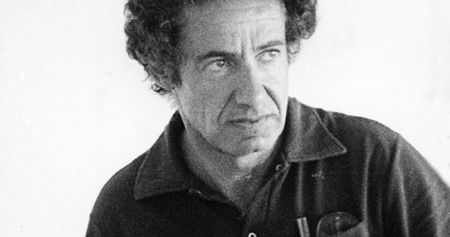
On November 27, 2019, Peter Lilienthal, descendant of the aviation pioneer Otto Lilienthal and one of the most important German directors, turned 90 years old. In 1939, when he was ten years old, his mother fled with him from the fascists to Uruguay because of her Jewish faith. she runs a small hotel in Montevideo, Lilienthal graduates from high school and begins studying art history and law. "Unlike his fellow 'young German films', Alexander Kluge, Edgar Reitz or Rainer Werner Fassbinder, Peter Lilienthal was less interested in German than in international events," wrote Hans Helmut Prinzler in the F.A.Z. "From Munich (...) he built a bridge to Latin America and made three feature films with a decidedly political theme: about the emancipation of a young Chilean woman in the Allende period ('La Victoria'), about the brutal consequences of the military coup in Chile ('There is peace in the country') and about the engagement of a national guard for the Sandinista revolution in Nicaragua ('The Uprising'). These films got their credibility and strength from the perspective of the protagonists and the emotional realism for which the screenwriter Antonio Skármeta was also responsible.”